
Johor adalah antara negeri yang paling banyak menanggung hutang kepada Kerajaan Pusat dan Johor jugalah negeri di mana paling ramai Melayu yang menjadi penyokong UMNO. Seperti anak yang terlalu dimanjakan, rakyat Johor dari bani umno yang bermazhab Hadhari terus manjadi lalai dan mamai. Mereka leka dan lupa bahawa negeri mereka tergadai sedikit demi sedikit angkara habuan yang tidak seberapa.
Kelantan adalah negeri yang paling sedikit menanggung hutang kepada Kerajaan Pusat dan Kelantan jugalah negeri di mana paling ramai Melayu yang menjadi penyokong PAS dan Pakatan Rakyat. Bebanan hutang yang sekarang ditanggung dan telah dilunaskan 3/4 daripada jumlah asalnya 19 tahun lalu sebenarnya adalah peninggalan penjajahan regim UMNO yang memerintah Kelantan sebelumnya.
Selangor adalah negeri yang paling kaya dalam peta Malaysia. Selangor jugalah negeri yang paling ramai perompak dan penyamun kelas atasan dari kalangan orang Melayu. 50 tahun Selangor dijajah oleh pemimpin pengkhianat daripada regim zalim, UMNO. Dalam masa itu jugalah Selangor telah melahirkan ratusan malahan mungkin ribuan pengkhianat, perompak, penzina, penipu dan pembunuh dari kalangan Melayu.
Melayu ini memakai baju Melayu. Melayu ini memakai songkok hitam. Melayu ini bercakap dan berucap dalam bahasa Melayu. Melayu ini jugalah yang menipu, merompak, membunuh dan menzalimi bangsa Melayu. Melayu ini jugalah yang disokong dan disanjung oleh Melayu, Cina, India, pendatang haram Bangla, pendatang haram Myanmar, pendatang haram Indon, hantu dan iblis, hanya kerana mereka berkuasa dan berbani UMNO serta bermazhab Hadhari.
Hasil daripada pemerintahan regim UMNO dan berkat Dasar Ekonomi Baru yang dilaungkan oleh UMNO, maka lahirlah jutawan-jutawan Melayu yang antaranya bernama Muhammad a/l Muhamad, Khir a/l Toyo, Satim a/l Diman, Zakaria a/l Derus, Adnan a/l Mansur, Idris a/l Jusoh, Hisham anak Husin, Sharil anak Samad, Khiri anak antu, Adnan anak Yaakub, Shahidan anak Kasim dan beratus yang lain di mana semuanya menjadi jutawan hasil berkat Dasar Ekonomi Baru tajaan UMNO yang disokong oleh pencacai mereka yang miskin dan papa kedana.
Mac 2008 kekuasaan mereka terjejas, kekuasaan mereka terhakis. Mereka menjadi binggung dan semakin sewil. Mereka hilang pertimbangan. Kepala regim mungkin bertukar Mac 2009 ini. Kepala baru, perangai pun baru dan berbeda daripada kepala yang sedia ada. Kepala sedia ada, makan secara senyap. Kepala baru, makan riuh rendah. Kepala nak makan, bini Kepala pun nak makan. Mereka berebut sehingga ada yang menjadi korban dan ada yang hilang dari pandangan, seperti Altantuya dan Balasubramaniam.
Era santai, rompak, joli dan relax yang mereka nikmati selama 50 tahun telah semakin tercemar. Mereka bimbang. Mereka tiada pilihan kerana mereka tiada keimanan. Mereka tiada pilihan kerana mereka semakin hilang sokongan. Kali ini mereka tidak merompak wang kerana mereka telah lama dan banyak merompak. Mereka telah banyak wang. Sekarang adalah masa untuk mereka melabur semula. Melabur untuk memastikan mereka akan terus dapat melakukan rompakan 50 tahun lagi, untuk ini mereka mesti mengekalkan penjajahan zalim regim mereka. Sekarang mereka menjadi perompak orang. Mereka merompak orang yang dangkal keimanannya. Mereka merompak orang yang cetek semangat juangnya. Mereka merompak orang yang lupa asas perjuangannya.
Ketawa terbahak-bahak.
Sakit perut nak terberak.
Apalah nasib kutu berahak.
Bila Najib mengidamkan Perak.
Johor adalah antara negeri yang paling banyak menanggung hutang kepada Kerajaan Pusat dan Johor jugalah negeri di mana paling ramai Melayu yang menjadi penyokong UMNO. Seperti anak yang terlalu dimanjakan, rakyat Johor dari bani umno yang bermazhab Hadhari terus manjadi lalai dan mamai. Mereka leka dan lupa bahawa negeri mereka tergadai sedikit demi sedikit angkara habuan yang tidak seberapa.
Kelantan adalah negeri yang paling sedikit menanggung hutang kepada Kerajaan Pusat dan Kelantan jugalah negeri di mana paling ramai Melayu yang menjadi penyokong PAS dan Pakatan Rakyat. Bebanan hutang yang sekarang ditanggung dan telah dilunaskan 3/4 daripada jumlah asalnya 19 tahun lalu sebenarnya adalah peninggalan penjajahan regim UMNO yang memerintah Kelantan sebelumnya.
Selangor adalah negeri yang paling kaya dalam peta Malaysia. Selangor jugalah negeri yang paling ramai perompak dan penyamun kelas atasan dari kalangan orang Melayu. 50 tahun Selangor dijajah oleh pemimpin pengkhianat daripada regim zalim, UMNO. Dalam masa itu jugalah Selangor telah melahirkan ratusan malahan mungkin ribuan pengkhianat, perompak, penzina, penipu dan pembunuh dari kalangan Melayu.
Melayu ini memakai baju Melayu. Melayu ini memakai songkok hitam. Melayu ini bercakap dan berucap dalam bahasa Melayu. Melayu ini jugalah yang menipu, merompak, membunuh dan menzalimi bangsa Melayu. Melayu ini jugalah yang disokong dan disanjung oleh Melayu, Cina, India, pendatang haram Bangla, pendatang haram Myanmar, pendatang haram Indon, hantu dan iblis, hanya kerana mereka berkuasa dan berbani UMNO serta bermazhab Hadhari.
Hasil daripada pemerintahan regim UMNO dan berkat Dasar Ekonomi Baru yang dilaungkan oleh UMNO, maka lahirlah jutawan-jutawan Melayu yang antaranya bernama Muhammad a/l Muhamad, Khir a/l Toyo, Satim a/l Diman, Zakaria a/l Derus, Adnan a/l Mansur, Idris a/l Jusoh, Hisham anak Husin, Sharil anak Samad, Khiri anak antu, Adnan anak Yaakub, Shahidan anak Kasim dan beratus yang lain di mana semuanya menjadi jutawan hasil berkat Dasar Ekonomi Baru tajaan UMNO yang disokong oleh pencacai mereka yang miskin dan papa kedana.
Mac 2008 kekuasaan mereka terjejas, kekuasaan mereka terhakis. Mereka menjadi binggung dan semakin sewil. Mereka hilang pertimbangan. Kepala regim mungkin bertukar Mac 2009 ini. Kepala baru, perangai pun baru dan berbeda daripada kepala yang sedia ada. Kepala sedia ada, makan secara senyap. Kepala baru, makan riuh rendah. Kepala nak makan, bini Kepala pun nak makan. Mereka berebut sehingga ada yang menjadi korban dan ada yang hilang dari pandangan, seperti Altantuya dan Balasubramaniam.
Era santai, rompak, joli dan relax yang mereka nikmati selama 50 tahun telah semakin tercemar. Mereka bimbang. Mereka tiada pilihan kerana mereka tiada keimanan. Mereka tiada pilihan kerana mereka semakin hilang sokongan. Kali ini mereka tidak merompak wang kerana mereka telah lama dan banyak merompak. Mereka telah banyak wang. Sekarang adalah masa untuk mereka melabur semula. Melabur untuk memastikan mereka akan terus dapat melakukan rompakan 50 tahun lagi, untuk ini mereka mesti mengekalkan penjajahan zalim regim mereka. Sekarang mereka menjadi perompak orang. Mereka merompak orang yang dangkal keimanannya. Mereka merompak orang yang cetek semangat juangnya. Mereka merompak orang yang lupa asas perjuangannya.
Ketawa terbahak-bahak.
Sakit perut nak terberak.
Apalah nasib kutu berahak.
Bila Najib mengidamkan Perak.
Sejarah Penderhakaan UMNO Terhadap Raja-Raja Melayu
Oleh mNasir

 Bismillahir rahmanirr ahiim..
Assalamualaikum kepada semua pembaca terutamanya dari kalangan penyokong Umno. Berikut saya sertakan beberapa fakta sejarah mengenai penderhakaan Umno kepada raja-raja melayu.Dalam fakta ini saya tidak boleh mengingati tarikhnya dengan tepat. Akan tetapi insyaAllah kepada semua pembaca yang mengikuti dengan rapat perkembangan politik tanahair sejak dari tahun 80an lagi akan ingat peristiwa-peristiwa ini semua.Juga sekiranya ada kesilapan dalam fakta-fakta ini harap ada pihak tampil untuk membetulkannya.Dan kalau saudara-saudara sekelian ada penambahan,digalakan juga untuk menambah.Kita sebarkan agar generasi muda sekarang tahu akan siapa sebenarnya Umno ini.Saya susun mengikut negeri-negeri.
Kelantan:
Tan Sri Mohammad Mohammad Yaacob yang juga Menteri Besar Kelantan pada era pemerintahan BN di Kelantan (1978-1990) sentiasa lari ke Kuala Lumpur apabila ada majlis rasmi di istana di Kelantan.Ini adalah kerana beliau sentiasa tidak sebulu dengan Tuanku Sultan Kelantan.
 Dato’Annuar Musa pernah pada sekitar tahun 90an dahulu ketika krisis imuniti raja-raja melayu meledak,telah menabalkan Tengku Ibrahim (kalau tidak silap saya sepupu kepada Tuanku Sultan Kelantan) sebagai Sultan Kelantan yang baru.Majlis pertabalan itu telah disempurnakan di bawah sebatang pokok gajus di sebuah padang sekolah di Kelantan.Ini kerana beliau ingin menunjukkan kuasa beliau kepada rakyat dan Tuanku.
Namun segalanya gagal malah beliau pula didakwa terlibat dengan kes kehilangan wang PPRT yang sehingga sekarang masih menjadi misteri.
Tun Mahathir pula pernah cuba memalukan Tuanku dengan penyiarkan berita beserta gambar oleh akhbar-akhbar utama negara tentang Tuanku yang dikatakan telah melarikan kereta Lamborghini Diablonya dari simpanan kastam. Peristiwa ini juga berlaku pada ketika kemuncak krisis imuniti raja-raja melayu.
Dalam satu Persidangan Agung Umno,kalau saya tidak silap Dato’Alwi Che Ahmad (Ketua Penerangan Umno Kelantan sekarang) telah melafazkan kata-kata berikut kepada Tuanku “Raja Adil Raja Disembah,Raja Zalim Raja Disanggah”sebagai amaran kepada Tuanku agar tidak mencampuri urusan politik di Kelantan.
Negeri Sembilan :
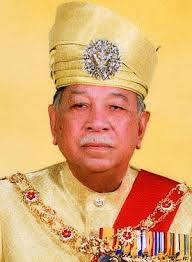 Yang Di-Pertuan Besar Negeri Sembilan sebelum perlantikan baginda kejawatan Yang Di-Pertuan Agong juga telah dimalukan oleh Tun Mahathir dengan penyebaran berita bahawa baginda menyimpan minuman keras di istana beliau.Hal itu juga disebarkan oleh seluruh akhbar utama negara ketika krisis imuniti raja-raja melayu sedang berlaku.
Selangor :
 Menteri Besar Selangor ketika itu Tan Sri Mohd Taib telah melukakan hati Almarhum Sultan Selangor iaitu Sultan Sallahuddin Abdul Aziz dengan “kisah” beliau dengan puteri Tuanku (Ku Yah).Sehinggakan dalam satu siaran berita apabila ditanya wartawan tentang suatu perkara berkaitan dengan menteri besarnya ketika itu,Tuanku menjawab “Kalau bagi kat Mamat tu habislah dengan-dengan saya kena pindah kat Pulau Ketam”Jawapan itu cukup menyerlahkan kekecewaan baginda kepada Tan Sri Mohd Taib yang juga Pengerusi Perhubungan Umno Selangor pada masa itu.
Pahang :
 Walaupun Tuanku diketahui ramai bahawa Tuanku adalah seorang penyokong kuat Umno dan BN akan tetapi sokongan itu tidak bermakna bagi Tun Mahathir ketika krisis imuniti raja-raja melayu kerana baginda juga tidak terlepas dari dimalukan oleh Tun Mahathir.
Baginda digambarkan sebagai seorang sultan yang mempunyai harta kemewahan yang melampau dan membazir kerana baginda mempunyai kapalterbang peribadi pada ketika itu.Disiarkan juga kepada seluruh rakyat kapalterbang baginda itu.
Perak :
RELATED ARTICLEPerak Raja Muda Raja Nazrin Shah said Malaysians must embrace multiculturalism and reclaim religion from those who distort the truth.principles of equality and fairness were necessary to the creation of a “truly pluralistic society.”
RELATED ARTICLE Datuk Mukhriz Mahathir the mother of all thief wants take legal action against DAP national chairman Karpal Singh then can we hang his father who is guilty of TREASON,krissmuddin and KJ AND THE GENG BAN THEN ?
Reformasi kedua di Kuala Kangsar
FEB 7 — Setelah lebih sepuluh tahun reformasi berkaitan pemecatan Datuk Seri Anwar Ibrahim, kali ini berlaku peristiwa seumpamanya berkaitan pemecatan tidak sah Datuk Seri Nizar Jamaluddin.
Jika gelombang reformasi tahun 1998 berlaku di Kuala Lumpur kemudian merebak ke seluruh negara, reformasi kali ini berlaku di Kuala Kangsar dan bakal merebak ke seluruh Perak, malah mungkin ke seluruh negara. Sekiranya reformasi sebelum ini kerana tidak puas hati dengan Tun Dr Mahathir Mohamad, reformasi kali ini disebabkan tidak puas hati dengan Sultan Perak dan pimpinan Umno. Yang sama, kedua-dua reformasi itu tercetus disebabkan rasa tidak puas hati rakyat yang membuak-buak terhadap ketidakadilan.
Dalam reformasi tahun 1998, Dr Mahathir yang mengukir nama baiknya hampir 18 tahun sekali tersalah tindakannya, nama beliau menjadi busuk dan dibenci oleh ramai rakyat Malaysia.
Demikianlah juga Sultan Perak yang telah memerintah hampir 25 tahun sebagai Sultan yang dihormati, sekali beliau bertindak secara tidak adil rakyat Perak kiri dan kanan sudah mula mencemuh.
Dikatakan Sultan Perak dan Raja Muda begitu terkejut dengan reaksi rakyat Perak menentang tindakan baginda.
Baginda menyangka bahawa rakyat Perak akan akur dengan keputusannya, tetapi peristiwa di Kuala Kangsar ini sememangnya di luar dugaan baginda. Kedudukan baginda sama seperti kedudukan Dr Mahathir pada tahun 1998.
Baginda Raja Muda Nazrin yang menaiki takhta dengan melangkaui giliran pastinya terkejut keretanya telah dibaling batu oleh para penunjuk perasaan. Baginda yang sejak sehari dua ini bertitah dengan tulus dan mulus menyatakan peranan Raja yang mesti mendukung keadilan, dapat melihat sendiri apabila rakyat memberontak setelah dirasakan Raja tidak adil dan berpihak.
Sehari dua ini kalau baginda turun kepada rakyat, tidak mustahil peristiwa yang berlaku kepada Bush akan turut berlaku kepada baginda. Cuma rakyat Perak mungkin tidak baling kasut sebab ramai di kalangan mereka yang tidak berkasut cuma berselipar. Kalau rakyat Perak membaling selipar apalagi jenis selipar jamban, maka sudah tentu Raja Nazrin akan rasa lebih terhina.
Demikianlah juga ayahanda Baginda Sultan Azlan, baginda juga pasti terkejut apabila rakyat sudah berani mempertikaikan kewibawaan baginda. Dalam laman-laman web kutukan demi kutukan telah dilempar kepada Sultan Azlan. Malah lebih mengejutkan lagi dalam web rasmi Sultan Perak, rakyat telah mencaci nista baginda di dalam buku pelawat web tersebut.
Perkataan-perkataan yang dilempar kepada Dr Mahathir, kini dilemparkan pula kepada Sultan Azlan. Sambutan 25 tahun baginda di atas takhta telah dicemari dengan kemarahan rakyat. Sepanjang 25 tahun baginda dihormati, kali ini rakyat tidak lagi menghormati baginda malah dicaci nista oleh mereka.
Dalam artikel kami yang lalu, kami telah menyatakan kalau Sultan Perak memilih untuk untuk menerima pandangan BN, maka sejarah hitam akan terpalit dalam 25 tahun pemerintahan baginda. Rakyat sekarang bukan lagi rakyat yang tidak bijak. Mereka telah mendapat ilmu setaraf dengan baginda, malah mungkin lebih.
Rakyat hari ini telah menolak propaganda media sebagaimana yang dilakukan dalam pilihan raya umum dan dua pilihanraya kecil yang lalu. Mereka telah mendapat berita dari pelbagai sumber.
Minda politik mereka telah beranjak kepada minda politik kelas pertama seperti di negara maju. Golongan yang sebaya dengan Baginda Sultan Perak ramai yang telah kembali menemui Allah, justeru rakyat baginda sekarang benar-benar telah berubah.
Peringatan yang diberikan oleh Mursyidul Am Pas, supaya Sultan Perak meneliti keputusan baginda supaya selaras dengan kehendak rakyat seharusnya diberi perhatian. Sekiranya tidak peristiwa yang berlaku hari ini adalah natijahnya. Lebih daripada itu, sebagaimana yang disebutkan oleh Mursyidul Am Pas, kemungkinan sistem beraja di negara ini akan turut menjadi sejarah sebagaimana yang telah berlaku di negara-negara lain.
Tindakan baginda dipertikaikan oleh banyak pihak termasuk di kalangan vateran Umno sendiri seperti Dr Mahathir, Tengku Razaleigh Hamzah dan Datuk Rais Yatim. Demikian juga dengan Suhakam, turut mempertikaikan pembentukan kerajaan BN yang tidak sah ini.
Reformasi kali kedua ini mewarisi semangat reformasi kali pertama. Rakyat bangun menyatakan bantahan atas ketidakadilan. Kali ini mereka tidak mempedulikan siapa, kerana jelas kemarahan mereka ditujukan kepada Sultan Perak selain daripada pimpinan Umno.
Biarpun media massa memainkan peranan untuk mengelirukan rakyat bahawa Nizar dan penentang keputusan Sultan ini sebagai derhaka, hari ini telah diterima umum derhaka kepada kezaliman itu sesuatu yang mulia.
Zaman feudalisme dunia dan negara ini telah lama berlalu. Sekiranya Hang Tuah dan Hang Jebat menjadi calon Menteri Besar Perak sekarang, rakyat hari ini akan memilih Hang Jebat.
Sebagaimana propaganda media memburuk Anwar dan mewajarkan tindakan Dr Mahathir semasa reformasi 1998 tidak ditelan oleh rakyat, maka dipercayai propaganda media pada kali ini juga tidak akan berkesan.
Betapa lagi kalau Pakatan Rakyat bertindak bijak sepertimana tindakan mereka tahun 1998 yang lalu. Kalaupun kerajaan haram BN tidak tumbang, nama pemimpin mereka termasuklah nama Istana Perak akan terus buruk di mata rakyat.
Hari ini bukan sekadar zaman feudal telah berlalu, tetapi zaman politik perkauman juga hampir tamat. Faktor ini akan menjadikan reformasi kali kedua ini mungkin lebih berjaya. Cuma mungkin bahangnya hanya dirasai di Perak tidak di negeri yang lain. — Harakahdaily.net
 Tuanku Sultan Azlan Shah,sultan yang tercerdik dan terpintar yang lahir dikalangan sultan-sultan yang sezaman dengan baginda.Baginda adalah bekas hakim dan diangkat menjadi sultan setelah kemangkatan sultan Perak Raja Idris Syah dan Raja Muda Perak yang tarikh kemangkatan kedua-duanya adalah hampir jaraknya.
Ketika itu baginda menjadi Raja Dihilir Perak.Oleh kerana kecerdikan bagindalah maka Tun Mahathir rasa tercabar dan ingin menghapuskan imuniti raja-raja melayu ketika itu.Pelbagai cara jahat digunakan untuk menundukkan Tuanku dan akhirnya Tuanku mengaku kalah dan tunduk kepada Tun Mahathir.
RELATED ARTICLE
PART2WAS THE SULTAN OF PERAK BLACKMAILED? a company owned by Raja Datuk Seri Eleena Raja Azlan Shah. Thus far no action has been taken by the Anti-Corruption Agency
READMORE THE SULTAN HAD NO CHOICE. WAS HE BLACKMAILED? 20 MILLION MALAYSIANS SAY NO to NAJIB I DONT want to give my children a DIVIDED Malaysia. NEVER.
Johor :
 Baginda juga menerima nasib yang sama seperti Tuanku Sultan Pahang iaitu seorang yang kuat menyokong Umno.Akan tetapi amat malang sekali kerana baginda juga termasuk dalam senarai sultan yang dimalukan Mahathir.
Pelbagai skandal dan cerita dikeluarkan oleh Umno yang diketuai oleh Tun Mahathir tentang baginda.Ini termasuklah juga kisah anakanda Tuanku,Tengku Majid yang ketika itu mewakili pasukan hoki Johor di SUKMA 92 telah memukul penjaga gol pasukan Perak selepas perlawanan.
Berita itu disensasikan sebegitu rupa.Memang ianya satu kesalahan,akan tetapi jika tidak kerana krisis imuniti raja-raja ketika itu,adakah kisah itu akan disebarkan?atau sekadar didiamkan seperti kisah Prebet Adam?
Kerana tekanan Umno jugalah maka Pasukan Timbalan Setia Negeri iaitu pasukan askar peribadi Tuanku dibubarkan.
RELATED ARTICLERaja dan demokrasi — Dato’ Nik Abdul Aziz Nik MatMaka orang-orang yang zalim itu dimusnahkan sampai ke akar-akarnya. Segala Puji Bagi Allah Tuhan semesta Alam.” (Surah Al An’aam: Ayat 45). — Harakah Daily
Terengganu :
Almarhum Tuanku Sultan Mahmud al-Muktafi Billah Syah telah diugut oleh Mahathir untuk diturunkan dari tahta dengan menggunakan Tengku Ali.Tengku Ali telah mengemukakan tuntutan di mahkamah agar dikembalikan kuasa sultan kepadanya yang mana didalam dakwaannya pemecatan beliau sebagai sultan pada zaman pemerintahan Jepun adalah tidak sah.Sehingga beberapa sesi perbicaraan berjalan,kes itu kemudiannya digugurkan oleh mahkamah.
Begitulah antara beberapa kisah dan senarai penderhakaan Umno kepada raja-raja Melayu.Bagi yang tidak tahu tentang krisis imuniti raja-raja,ianya bermula kerana ada beberapa akta yang tidak persetujui oleh yang Di-Pertuan Agong yang mana ketika itu Agong mempunyai kuasa untuk menolak akta yang telah diluluskan oleh Dewan Rakyat dan Dewan Negara.
Dek kerana tercabar dengan kebijaksanaan Sultan Azlan Syah (Agong ketika itu) maka Tun Mahathir telah memaksa semua raja-raja melayu menandatangani akta yang menyatakan bahawa setiap akta yang telah dipersetujui di Dewan Negara dan juga enakmen yang dipersetujui di Dewan Undangan Negeri akan digazetkan selepas beberapa tempoh walaupun tidak ditandatangani oleh Agong dan sultan.
Hanya Kelantan dibawah kekuasaan PAS satu-satunya negeri yang mempertahankan kedaulatan raja-raja melayu walaupun Umno yang menguasai negeri-negeri lain ketika itu mengaku bahawa dialah juara dalam mempertahankan bangsa melayu.Demi untuk mencapai maksud itu,maka Tun Mahathir telah menggunakan segala ugutan-ugutan yang saya nyatakan diatas kepada raja-raja melayu.
Pada ketika itu jugalah RTM dan TV3 iaitu dua pemutar belit utama Umno telah menyiarkan dengan banyaknya cerita-cerita perihal raja-raja melayu yang mana kesemuanya berkisar tentang kezaliman raja-raja melayu.Antara yang sempat saya ingat ialah Sultan Mahmud Mangkat Dijulang.Cerita ini pada waktu itu telah disiartayang beberapa kali dalam jarak masa yang dekat.Demikianlah dahsyatnya kelakuan Umno sekiranya mereka tidak mendapat apa yang mereka kehendaki maka akan mengamuklah mereka dengan gilanya.
Maka satu perkara yang amat penting bagi kita semua ketika ini,ialah kita seharusnya sedar bahawa Umno adalah penderhaka kepada raja-raja melayu yang tiada tolok bandingnya.Saya yakin dan percaya seluruh raja-raja melayu masih ingat akan peristiwa itu.Betapa hinanya raja-raja melayu diperlakukan Umno.
Pernah juga disiarkan didalam akhbar ketika itu dimana tempat duduk diraja di Stadium Merdeka bagi perlawanan bolasepak telah digunakan oleh jurugambar untuk merakam perlawanan.Ini untuk menunjukan kepada rakyat bahawa raja sudah tidak dihormati lagi.Itulah yang dilakukan oleh Umno kepada raja-raja satu ketika dahulu. Jahat bukan?
Jadi,adakah anda semua hairan dan terkejut dengan segala apa yang telah berlaku sekarang ini?Perkara yang saya sebutkan diatas pada pandangan saya adalah lebih dahsyat daripada apa yang berlaku sekarang kerana ianya melibatkan perlucutan kuasa raja-raja melayu.Alhamdulillah Umno tiada majoriti 2/3 hari ini di parlimen bagi menggubal akta baru yang mungkin memberi kesan yang lebih teruk kepada institusi raja kita.Apatah lagi dengan berlakunya peristiwa seperti sekarang ini.Kalau tidak,mungkin jawatan Yang Di-Pertuan Agong akan tinggal sejarah sahaja kerana amukan Umno…siapa tahu…?
Dan apabila mereka merasa tersepit,maka raja-raja melayu akan dijadikan tunggangan mereka bagi melepaskan diri.Contohnya seperti gesaan Umno bagi mengharamkan penggunaan nama Islam kepada semua parti-parti politik.Umno dengan selambanya menggunakan Majlis Raja-Raja untuk tujuan politik mereka itu.Bagi saya ini adalah wajah sebenar Umno dulu,kini dan selamanya.Sejarah adalah sejarah.Ianya tetap akan diceritakan secara benar walaupun Umno cuba membohonginya.Yang benar pasti datang dan yang batil akan tumbang.Renung-renungkanlah semua.
Raja Petra Kamarudin
In a speech before Malaysia's Dewan Rakyat, or parliament, on February 14, 1993, then-Prime Minister asked that the body strip the country's sultans of their immunity to the law. In the speech, he accused them, among other things, of giving away parts of the country to the British, oppressing the people, breaking civil and criminal laws, misusing the money and property of the government and pressuring government officials. The measure, which included a rule to allow commoners to criticise the Sultans, even the Yang di-Pertuan Agong, or king without fear of the Sedition Act other than questioning the legitimacy of the monarchy itself, was passed overwhelmingly by the parliament, apparently without outcry over Dr Mahathir's rather tough treatment of the country's nine monarchs.
Asia Sentinel brings this up in light of the growing controversy in Malaysia over opposition protests against the Sultan of Perak's decision to oust the Pakatan Rakyat chief minister of his state and sanction the appointment of a member of the United Malays National Organisation as the new chief minister despite the fact that a 28-28 tie remained, and that the Pakatan Rakyat had asked for a snap election to determine which coalition should rule the state.
When Karpal Singh, national chairman of the Democratic Action Party, offered to sue Sultan Raja Azlan Shah in the courts to get his decision reversed, scores of UMNO members filed complaints and led rallies against Karpal Singh for insulting the sultan. Members of the press, including Jed Yoong of the Asia Sentinel, have also been cited.
It would appear from Dr Mahathir's 1993 speech that it is perfectly legal to sue members of the royalty. It would also appear that UMNO members, particularly prime ministers, can make allegations against the country's royalty that opposition leaders and members of the press can't. We invite readers to decide for themselves. We reprint Dr Mahathir's historic 1993 speech below in its entirety.
*****************************************
Mr. Speaker Sir,
I request to propose that is a Bill named “An Act to amend the Constitution” to be read for the second time. Speaker Sir, allow me to introduce and comment on the Act that I mentioned above
2. When the country demanded independence, the country's leaders, who received a huge victory and united support in the 1955 General Election, decided that our country would be administered via Parliamentary Democracy and Constitutional Monarchy.
3. This system was chosen because when the Malay states were administered via the feudal system with power vested in the hands of the Rajas, the Malay states were weak and its administration was in chaos. The states could not establish peace and enforce laws. As a negative result, the states were forced to put themselves under the influence of foreign powers like China, Siam and the West. Finally, all the Malay states were conquered by the British and ruled as a British colony via agreements between the Rajas that administered with the British Government.
4. After the Second World War, the Malay Rajas hoped that when the British administered again, their positions as Rajas, under the advice of the British officials, would be reinstated. The Malay states would be ruled by the British although not like Singapore, Penang and Malacca, where the British had full power.
5. For the majority of the Malay people in the Peninsular states, they were ready to accept a rule in which the Malayness of the Malay states was recognized by the British, although the administration was almost completely controlled by the British. Yet, there were opinions among some Malays that the Malay states should be completely freed from British colonial rule.
6. Malays only realized that they might be marginalized and be made beggars in their own states when the Malay Rajas bowed to MacMichael's threats and signed a new agreement with the British to return the Malay states directly to the British to be ruled as British colonies like Singapore, Penang and Malacca.
7. Because the Rajas so easily handed over Singapore, Penang and Pangkor to the colonialists and then the Malay states, the People (“rakyat”) could no longer accept a system that only gives power to the Rajas and the People are not given any role in the country's politics. Also, after World War 2, absolute monarchies decayed throughout the world. Everywhere, absolute monarchies were abolished. Where it was maintained, the powers of the Rajas were limited by the Constitution, or the country's basic law. Hence, when the Federated Malay States demanded for independence, the leaders of the People studied administrative systems while taking into account of the history of the Malay States and other administrative systems.
Mr. Speaker Sir,
8. The old administrative system in the Malay states was a feudal system in which the Rajas had absolute power without a written Constitution. This feudal system was determined by customs that were often manipulated by the people in power. If the people in power breached the customs, it was difficult for palace officials and the People to criticize and make charges. But when the situation became too bad, it was likely that customs were put aside and revolt occurred. But this method brought definite negative consequences without guaranteeing that the revolt would improve the situation.
9. Therefore, the opinion that Rajas should be placed under a Constitution that determined the status and role of the Rajas was born. With this method, the Rajas could no longer act as they liked. The powers of the Rajas would be determined by the Constitution, that is the country's basic law. Yet, there were Rajas who were willing to hand over their own states to foreign powers while ignoring the Constitution.
10. Yet when the Constitutional Monarchy was drafted for the Federation of Malaya, which at that time was moving towards independence, those drafters of the constitution still believed that the Rajas would abide by not only by what was written but also what was written between the lines, that is the spirit of the Constitution.
11. During the British colonial period, because they could appoint or remove Rajas, therefore Rajas accept the advice of the colonial rulers. This matter is included in the agreement between the British and the Malay Rajas in which the advice of the 'British Resident' or 'British Adviser' must be sought and abide by the Rajas save those that relate to Islam and Malay customs. For the British, that the advice must be abided by the Rajas is not strange because in the Government system in Britain, their 'King' or 'Queen' must accept the Government's advice. If not, the King will be removed from the throne. Hence, when King Edward VIII married a divorcee, he had to abdicate the throne on the Government's advice, although there was no specific allocation for this action. What was enforced was not the law but the country's political interests, and the British Kings abide by the country's politics. That's the reason that even before that, the British Parliament decided that Queen Elizabeth pays income tax. She herself just decided to pay income tax. The British Constitution, although not written, is abided from the perspective of spirit and custom.
12. Because the Malay Rajas in colonial times followed the advice, therefore it was believed that the problem of Rajas breaking the law would not happen.
13. The drafters and founders of the administration of the independent Federation of Malaya also believed that the provision that the Rajas that could not be charged in court is only a sign of the majesty of the King and not as a right to commit crimes. Certainly, the drafters of the Constitution and the founders of our country's independence did not mean this provision gave the Rajas the right to be above civil and criminal laws. Constitutional Monarchy has never given privilege to the Rajas to commit crimes. But if the Rajas break the law while carrying out official duties, the Rajas are free from charges. This is because the Government is responsible and the party that should be charged.
14. In the effort to oppose the Malayan Union and return the Malay states and Straits states to the 'status quo ante', that was the situation before World War II, the People played an important role although there is no legal provision. It was clear at that that time to the people that the Rajas without the People's support are easily controlled by the colonialists and other parties. Hence, the People had to be given rights in the country's politics and administration. The role of the People must be determined by the law.
15. Looking at this reality and once again taking the example of Britain, the independent Federation of Malaya chose the Parliamentary Democracy system. The People will elect their representatives to the Dewan Rakyat (People's House or Parliament) and the Dewan Undangan Negeri (State Legislative Assemblies) who will be the main law and policy makers. This allowed the People to play their roles in an orderly and organized manner.
16. Once again following the system in Britain, the laws can only be valid after they are signed by the Rajas. In Britain, this is not a problem because it is not possible that the King will reject the advice of the Cabinet. But in Malaysia, the word 'advice', that the drafters of the constitution believed would have the same meaning like in Britain and during the colonial period, is not clearly interpreted. Therefore, the Rajas can reject the Government's advice.
17. If the Government admits to be made up of representatives chosen by the People to determine the People's power, but the advice of the Government may not be accepted, this meant that the Parliamentary Democracy does not exist and the People are not in power. In some matters, not only the agreement of the Yang di-Pertuan Agong is required, but also the Council of Rajas.
18. Although the representatives were free to speak in the Dewan Rakyat and Dewan Undangan Negeri about any topic, but they could not touch on the Rajas because any criticism of the Rajas could be interpreted as sedition and they could be charged under the Sedition Act. This provision was a result of an amendment made in 1971. Before this, criticism of the Rajas could be made in the house. In Britain and other countries, the Parliament was free to criticize the Rajas. It is clear that that criticizing the Rajas does not destroy the Rajas' majesty.
19. While this prohibition on criticism is said to protect the Rajas' majesty, but when the Rajas are not criticized, they will not be aware of the wrongs that they have committed. Hence, maybe more wrongs will be committed and these wrongs may become more serious. This not only contaminates the Rajas' majesty but can also cause the People to hate the Rajas. It is not true to say the prohibition on criticizing the Rajas will protect the Rajas' majesty. Actually, the majesty of the Rajas will be contaminated because of this prohibition.
20. With the possibility that the Rajas reject advice while being free from criticism and any fair action, hence, the Rajas are actually not Constitutional Monarchs anymore but have become absolute Monarchs. Once again Parliamentary Democracy no longer exists because no action can be taken towards the Rajas that do not receive the advice of the People's Government and commit wrongs.
21. In 1983, action was taken to amend the Constitution so that at the very least the power of the Agong to reject Bills written by Parliament was abolished. This effort was successful but not fully. What was approved in the end was the power of the Agong to reject Parliament Bills was reduced a little by having a new provision such that he can refer back to Parliament if he is unwilling to sign the Bill that has been approved by Parliament. If Parliament approves it again, whether with or without amendments, the Bill will be valid law in 30 days (Article 66(4) Constitution) although unsigned by the Agong.
22. But approvals this way are limited to matters that do not touch on the rights and privileges of the Rajas. To amend the Constitutional provisions that touch on the Rajas, the Council of Rajas must give their agreement.
23. At the state level, no amendments was made to state Constitutions. Hence, there are no laws that could be approved without being signed by the Rajas. This means the powers of the Rajas in the state is beyond the powers of the Dewans Undangan Negeri that represent the People.
24. These provisions do not become problems if there are no opposing opinions between the Rajas and the Dewans Undangan, or there is no wrongdoing by the Rajas, or there is no Malay custom that does not like to jeopardize the relationships with the Rajas. Unfortunately, because the Chief Ministers and Prime Minister are Malays that are unwilling to be on bad terms with the Rajas, when the Rajas do something that is not supposed to be done, no effective criticism is made. Even if there is, the unwillingness of the Rajas to care about the criticisms of these official advisers does not bring about any action towards the Rajas.
25. Hence, in the history of independent Malaysia, the actions of the Rajas and parties who hide behind the Rajas that exceed the rights and privileges of the Rajas become more serious over time. The possibility is that it will become more serious in the future. If there are no amendments to the law, like those suggested here, without doubt worse matters will happen that will cause the Raja Institution to be hated by the people. It is not impossible that if one day in the future, demands are made to completely abolish the Raja System although there are provisions in the Constitution.
26. Hence this amendment that is suggested aims to avoid or prevent the escalation of hatred towards the Rajas that could bring about demands to abolish the Raja System. This amendment is to save the Rajas themselves and the Constitutional Monarchy system. To strengthen the Constitutional provisions to maintain the Raja System, provisions are made such that any suggestion to abolish the Raja System will be interpreted as sedition and falls under Sedition Laws.
27. This amendment does not touch on the privileges given to the Rajas. Rajas will continue to be of Raja status, and facilities provided to the Rajas and the Royal Families according to the Constitution will be continued.
28. To guarantee that Constitutional Monarchy is really effective, three amendments need to be made to the Federal Constitution. First, the Constitutional provision related with the immunity of the Rajas from any legal action as in Clause (1) Article 32 where after the word “court” is added the words “but only those related with whatever that is done or left to be done by him in the carrying out or that which resembles the carrying out of his functions under any written law”. This means no court action can be taken towards the Rajas who are carrying out their official duties.
29. Sovereign Immunity is a feudal concept – a concept in which allegedly 'The King can do no wrong'. According Dr. Hogg in his book 'Liability of the Crown', this concept is based on the excuse that a King cannot be charged in his own court. This excuse has long been questioned and rejected by European law experts like Adams who feel that there is no doubt that feudal lords are under their own courts – 'No doubt at all of the subjection of feudal lords to their own courts'.
30. Under the Government of India Act 1935, the Governor General or Governor is only immune when carrying out official duties.
31. In the United States, President Nixon's demand such that he is exempted from a legal provision is rejected by the Supreme Court.
32. In England, the Queen cannot be arrested and the arrest of anyone cannot be made on palace grounds. Even charges towards the Queen cannot be made in court.
33. But in a paper that discussed the Constitutional Law of India, under the Crown Proceedings Act for England the original provision has been amended such that 'Civil proceedings by and against the Crown' can be made. Hence, the difference of 'proceedings' towards the 'Crown' is equivalent to the People.
34. In the same paper it was mentioned that it has become a 'fundamental general rule' that 'His Majesty cannot sanction any act forbidden by the law'. When he cannot sanction, he also cannot do something wrong. Hence, 'His Majesty is under and not above the laws (and) he is bound by them equally with his subjects'.
35. Provisions in the Constitutions of Spain, Belgium, Norway, Denmark, Sweden and Luxemborg all give immunity to the King only when carrying official duties as King. Any wrongs in carrying out official duties fall upon the Government or Ministers.
36. There are no special provisions in any Constitution in European countries that give immunity to the King when carrying out unofficial activities. Yet, the Kings in the respective countries are still recognized and sovereign. They continue to be sovereign and did not lose their sovereignty. The opinion that Kings are only sovereign if the Kings can commit crimes as they like is not supported by the practices of other countries in this era. Even in the older eras, the King is often punished when he commits any wrongdoing, like in the case of Charles I in England and Louis XVI in France.
37. Only in the Constitution of Malaysia is a specific provision under Article 181(2) that 'no proceedings whatsoever shall be brought in any court against the Rules of a State in his personal capacity'.
38. Almarhum Tunku Abdul Rahman Putra al-Haj, this country's first Prime Minister, had written that immunity is not 'satisfactory' because 'Rajas can kill anyone without any action taken against him'. The result of provision 181(2) is very wide. Because the Constitutions of the Federation and States are also law, Article 181(2) actually allows Rajas to breach the Constitution. Because of that, when Rajas conduct business, although prohibited by the Constitution, nothing can be done by the Government. The Agong cannot be charged in any court. But the Council of Rajas can sack him from his position. On the contrary as a Raja, Article 181(2) will protect him.
39. If Malaysia intends to become a country that practices Parliamentary Democracy and Constitutional Monarchy, the immunity that is given to the Rajas must be abolished. Because the Constitution in countries that practice the Constitutional Monarchy System doesn't give immunity to their Kings, the abolishment of the immunity of the Malay Rajas cannot jeopardize their sovereignty. In the modern era, only because the King can't commit crimes as they like, the King's status will not be jeopardized, especially in a country that practices Parliamentary Democracy and Constitutional Monarchy.
40. To guarantee the effectiveness of the abolishment of immunity, two more provisions in the Constitution needs to be amended. The first is related to the provision in Article 63(2) that protects a person from taking part in a debate in Parliament or Parliamentary Committee from being questioned in court, which has been amended by Article 63(4) if it touches the provision of the Sedition Act. This provision is made in 1971. This means criticism towards the King can be made before 1971 without jeopardizing the Raja's sovereignty. Hence, it allows again the People's Representatives to criticize the Rajas who were wrong without denying the original rights and privileges of the Rajas. The amendment of Article 63 after Clause (4) reads:- “(5) Notwithstanding Clause (4) no one can be charged with any proceedings in any court related with anything that is said by him about the Agong or a Raja while taking part in whatever proceedings in any of the Parliamentary Committee or any of its task force except if it organizes the abolishment of the Constitutional position of the Agong as the Head of the Government of the Federation or the status of the Constitutional Monarch of a state, according to whichever applies”. Article 72 of the Federal Constitution is amended by inserting after Clause (4) the following Clause:- “(5) Notwithstanding Clause (4) no one can be charged with any proceedings in any court related to anything that has been said by him about the Rajas in any state while taking part in any proceedings in the Dewan Undangan in any state or in any committee unless if he organizes the abolishment of the status of the Raja as the Constitutional Monarch of the state”.
41. The interpretation of the sedition towards the King in the Constitution is so wide until no criticism is can be made in Parliament by members of the Dewan Rakyat or Dewan Undangan. Hence, the media also has no opportunity to report. Criticism can only be made by the Rajas' advisors behind closed doors. If this criticism is ineffective, there is nothing that can be done.
42. Actually all three former Prime Ministers, as advisors to the Rajas, have already criticized the Rajas many times while they were in service. I know criticisms have been made because this matter has been repeatedly reported in Cabinet meetings and also the UMNO Supreme Council.
43. Allahyarham Tun Hussein Onn, as Prime Minister, had in his written speech in a Raja Council Meeting, only attended by His Highnesses or their representatives, harshly criticized the doings of the Rajas that should not be done.
44. But all these criticisms are not effective. The matters touched upon continued to be done, even intensified. What was never done during the British era and in the early years of independent Malaysia are now done obviously and widespread.
45. Although almost all Prime Ministers and Chief Ministers report to the UMNO Supreme Council, there are problems that they face but the public are not told. Hence, the public do not know the problems faced by the Government. Most of them continue to believe that the system of Constitutional Monarchy is operating smoothly with the Rajas honoring all the provisions in the Constitution. Only a small portion of the People know and they are not comfortable with the Rajas' doings. But they can't express their views and feelings because there is a Sedition Act.
46. The Sedition Act and the relevant provisions for sedition towards the Rajas in Article 63(4) of the Constitution prohibits the People from getting information and voicing their opinions. They can only talk among themselves. Political leaders, including Government leaders, definitely hears and realizes that the views and anger of a number of People that knows about the Rajas' doings. Such is their anger till there are, mostly among the young generation, that consider the Raja System to be behind times.
47. But because of the Sedition Act and prohibitions on criticizing the Rajas, Rajas do not listen and do not believe their advisors when such information is conveyed about the People's anxiety. The Rajas and the Royal Families seems to opine that all of these are inventions of the advisors to the Rajas to scare them or snatch the Rajas' rights.
48. In this situation, the Rajas not only continue their habits that the People dislike and are uneasy with but also matters that are hated by the People. If this trend is not stopped, the feelings of the People towards the Raja will boil over and become so bad that at a point of time in the future, the People may no longer be able to control their feelings. Letters to newspapers that expressed such feelings have existed for a long time.
48. With your permission Speaker Sir, I wish to read an excerpt of an article sent to The Straits Times in 1946 by a prominent Malay leader, when the British suggested the formation of the Malayan Union. This leader went on to hold a high position in Government. This article was not published in the Straits Time but was passed to me recently by the writer.
50. This writer says, with your permission, 'All intelligent Malay leaders ought now seriously to give most profound and careful thought to the question whether the time has not ar- rived when the Malay Royalty (I mean the Sultan and Raja) should gracefully withdraw themselves altogether'.
51. If opinions were already like this in 1946, is it not possible that it will arise again in 1993 if the Rajas are not stopped from doing things that are undesirable?
52. The protection and privilege given to the Rajas aim to put the Rajas in a high and majestic place. The protection and privilege is not to allow the Rajas to do whatever they like including committing crime. Rajas who are aware and understand the true meaning of these provisions will always take care to prevent contaminating itself in acts or behaviours that are not good and disliked by society. Rajas who are aware will know acts that ignore the feelings and opinions of society will cause the People to finally remove the Rajas, and even abolish the Raja System. This is what happened in countries that are now republics.
53. In Malaysia, the protection given is very thick. Sovereign Immunity from laws and prohibitions from criticism, although only by members of the Dewans Undangan that has been entrusted to administer the country, separates the Rajas from the real world. In this situation, the acts and behavior of the Rajas will become worse in the long run. This is happening in Malaysia.
54. Hence, it is important Members of the Dewan are given back the right to criticize the Rajas in their debates. Without this right, the Members of the Dewan will fail to practice the Parliamentary Democracy system and will fail to prove that the People are the ones in power in this system. Without this right, the ones in power are the Rajas and not the People.
55. With the existence of a prohibition on criticizing the Rajas, Members of the House actually cannot protect the Raja Institution and Raja System. Hance, the freedom of Members of the House to speak in the House should not be blocked by the Sedition Act like provided for under Article 63(4) and 72(4). With the addition of Article 63(5) and 72(5), the Members of the House not only can protect the Raja's position but also the Constitutional Monarchy that is clearly protected by the Constitution, because it is mentioned in Article 63(5) and 72(5) that the exception from the Sedition Act does not include organizing the 'abolishment of the Constitutional status of the Agong as the Head of the Federation or the status of a Raja in a state'.
Mr. Speaker Sir,
56. The second matter that can void the abolishment of the Rajas' immunity is when doing something that breaks the law in a non-official matter is the Rajas' right to pardon as provided for in Article 42. With this provision, a Raja can pardon himself if he is convicted by a court after immunity from legal action is withdrawn. This means the withdrawal of immunity is meaningless and ineffective.
57. Hence, the Government proposes that Article 38 and 42 of the Federal Constitution be amended as in Clause (2) Article 28 and Clause (12) Article 42. Clause (2) Article 38 of the Federal Constitution is amended – (a) by substituting the comma at the end of the paragraph (c) with a semicolon; and (b) by inserting after paragraph (c), the following paragraph: “(d) giving pardon, reprieve and respite, or to remit, suspend and reduce sentences, under Clause (12) Article 42,”. Article 42 of the Federal Constitution is amended by inserting, after Clause (11), the following Clauses: “(12) Notwithstanding the contents of this Constitution, if the powers mentioned in this Article – (a) have to be carried out by the Yang di-Pertuan of a State and are required to be carried out on himself or his wife, his sons or daughters, these powers have to be carried out by the Chief Minister of the State that will act on the advice of the Board of Pardons formed for the state under this Article and needs to be chaired by; (b) are required to be carried out on the Agong, a Raja of a State, or his Consort, according to whichever is applicable, these powers needs to be carried out by the Council of Rajas and the following provisions are required to be used: (i) when attending any proceeding under this Clause, the Agong cannot be accompanied by the Prime Minister and other Rajas cannot be accompanied by their Chief Ministers; (ii) before making any decision about any matter under this Clause, the Council of Rajas must consider whatever written opinion that may be given by the Attorney-General about this matter. (c) are required to be carried out by the Agong or the Raja of the related State with his sons or daughters, according whichever is applicable, the powers have to be carried out by a Raja of a State named by the Council of Rajas and that Raja has to act according to the advice of the relevant Board of Pardons formed under this Article. (13) For the meaning of paragraph (b) and (c) Clause (12), the Agong or respective State Raja, according to whichever is applicable, and the State Yang di-Pertuas cannot be made members of the Council of Rajas”.
58. With this amendment, the Raja cannot hear the plea and pardon himself. If the Raja or his Consort who pleas for pardon, the Council of Rajas will hear and decide on the respective case.
59. The Raja also cannot listen to the plea of and pardon his offspring. The Council of Rajas will appoint another Raja to hear and decide on the pardon pleas of a Raja's offspring.
60. With the abolishment of the immunity of the Rajas from legal action, except when carrying out official duties, it is believed that a Raja will not commit acts that can be charged in courts. With this, the Raja will be honored by the People.
61. The abolishment of the ban applied on Members of Parliament and the Dewans Undangan Negeri by the Sedition Act will prevent the Rajas from committing any act that may attract the criticism of the respective members of the house.
62. The abolishment of the powers to pardon himself will make legal action more effective.
63. The real reason for these amendments is not because the Government or the People want to drag the Rajas to court as they like. The reason is so that the Rajas will constraint themselves from committing acts that can negatively cause legal action. Hence, the Rajas will be respected more.
64. It should be reminded that the respect of the People towards the Raja cannot be determined by laws. With your permission, 'Respect must be earned'. Having laws that scare the People will not bring 'respect'. With the realization that the Rajas can be brought to court, Rajas will certainly avoid committing acts that will cause the people not to respect the Rajas. Hence, the Raja Institution will be better respected and better preserved.
65. To strengthen the efforts to preserve the Rajas and Raja System, any suggestion or exertion to abolish the Raja System is interpreted as sedition and will be charged under the Sedition Act.
Mr. Speaker Sir,
66. I feel very sad that today I am forced to present to the august House a Bill to amend the Constitution that has in some way contaminated the good name of the Rajas and the Raja Institution. With a heavy heart I presented and explained the suggested amendments.
67. That the Government made the decision to amend the Constitution is not without reason. Actually, as I have said, the Government has refrained from making these amendments since the start when we achieved independence. But this approach does not alleviate the situation. On the contrary, the situation became worse.
68. In the end, an incident in which a Raja assaulted a citizen and before this another incident in which the son of a Raja assaulted a citizen. The Government cannot look lightly at such events without jeorpardizing the Government's credibility as responsible leaders.
69. The Government is forced to make a firm stand to protect the People from being oppressed by the Rajas. Certainly, this stand was not made because of these two incidents only. Before this there were many incidents where the Rajas oppressed the People, Rajas broke civil and criminal laws, Rajas misused the money and property of the Government and country, Raja pressuring and oppressing officials.
70. The incident in Johor is only, with your permission, 'the straw that broke the camel's back'. The People's reaction towards these incidents clearly shows that the People no longer accept and 'tolerate' these kind of acts.
Mr. Speaker Sir,
71. There are people that ostensibly wish to give powers to and defend the Rajas when the Raja commit crimes. They try twist the People's thoughts by accusing the Government is trying to abolish the Raja System.
72. I wish to assert that the Barisan Nasional government does not at all suggest to abolish the Raja System. This is clear from the suggested amendments. Any suggestion to abolish the Raja System will be interpreted as sedition and the Government will take action under the Sedition Act upon anyone who suggest or act to abolish the Raja System.
Mr. Speaker Sir,
73. The government is aware that the People, specifically the Malays accept and support the Malay Raja Institution. The accusations that the Government is trying to abolish the Raja System is merely because of political interests. The Government represents the majority of the Malays and other races will abide by the wishes of the People and will not do something that is unpopular.
74. Because it is clear that the majority of the people of all races still wants the Raja System, specifically the Constitutional Monarchy System, the Government will guarantee that this system is protected by the Constitution.
Mr. Speaker Sir,
75. There are parties that opine that the Malay Rajas are needed to protect the Malays. The MacMichael Agreement and the Malayan Union incidents clearly prove that those who are willing and able to protect the Malays are the Malays themselves. If not because they rose up and opposed the Malayan Union, today, the Malays would have been beggars in their own country.
76. The attempts by some parties to scare the Malays towards the amendment are caused by those who wish to use racial sentiments for the interests of their own parties. Their history does not assure us that they are sincere. They are the ones who try to weaken the Malays by breaking up UMNO and working with certain parties that are viewed with suspicion by the Malays.
77. Can merely barring the Rajas from committing crimes cause the Rajas to lose their sovereignty and no longer be Rajas? The opinion that the Rajas can only be Rajas if they are given rights and given privileges to commit crime contravenes the concept of Rajas as the source of law. In the old era in the West, Kings possessed the right to commit crime. For instance, according to the concept, with your permission, 'Droit du seigneur' (right of the Lord) or the Right of the Lord, the King has the right to spend a night with all newlyweds.
78. But in the West, all these rights have been abolished. That is why Western countries that preserve the Monarchy System does not have specific immunity for the Rajas. Even if there is a mention that the King cannot be brought court, it is only a formality. King, Government and the People know if the King commits a crime, he will be brought to court, and he will be removed from his throne. Hence, the Kings in the Western countries will not intentionally commit crime.
79. Although it is clear that the Kings in the West are not immune from legal and non-legal action, the Kings are still Kings. They are respected and admired.
Mr. Speaker Sir,
80. In the British era, the Malay Rajas were not only immune but were also under the orders of the British officials. They can be appointed and removed from the throne. One of MacMichael's threats so that the Rajas would sign the Malayan Union Agreement is they will be removed from the throne if they do not sign the Agreement.
81. In this situation, the Rajas will continue to be Rajas. The People are not demanding the Rajas be dislodged or the Raja System to be abolished although the Rajas handed over the Malay states to the colonialists. Happily I am reminded that at that time the Rajas in Indonesia, India and Pakistan have been rejected by the People who demanded for independence. On the contrary, Malaysians, mainly the Malays and UMNO, have fought to save the Rajas and Raja System.
82. The opposition of the Malays against the Malayan Union is clear because the fortunes of the Malays are in the hands of the Malays. The safety of Malays is not jeopardized with the Malay Rajas who do not have the right to commit crime. There are parties that say the abolishment of the Raja's right to commit crime, the Malays are no longer Malays and that will be the end of the special position of the Malays. This is not true. This is slander. Those who guarantee that the Malays will continue to be Malays and Malay rights are protected are the Malays themselves. They, through their representatives and the Government that they choose, create and implement various activities to protect and fight for the honour of the Malays.
Mr. Speaker Sir,
83. A Raja asked why the Constitutional amendments are related to Islam when the Government does not agree with the implementation of Sharia and Hudud law. According to him, he is ready to accept Islamic law without immunity but is unwilling to accept the country's laws which are not Islamic law.
84. With or without his blessing, the position of the Malay Rajas since Merdeka has been determined by the law, that is the Constitution. These laws also give certain special privileges to the Rajas. Among these privileges is immunity from legal action. If the Rajas were willing to accept the immunity under laws which are not Islamic laws, why is the abolishment of immunity in the same laws are not accepted by the Rajas?
85. In Islam there are two principals that are strongly held by the law. The first is there is no difference among Muslims in enforcement of Islamic laws. Raja and People are the same. The immunity for Rajas contravenes this principle. Rejecting the abolishment of the immunity so that the difference between Raja and People is preserved in the laws does not reflect a strong adherence to Islamic principles.
86. Receiving immunity from laws said to be not Islamic law, but rejecting the abolishment of this immunity in the same laws clash with the allegation that only Islamic law is acceptable.
87. Islam gives much leeway. Islam takes into account all factors and circumstances faced by its believers. Such that even in carrying out religious duties, environment, an individual's health and the current circumstances are considered. Therefore, praying can be made without certain movements, without facing the kiblat, before, after or together, in a congregation or alone. Palestinians, who were driven out by the Zionist Rule, could pray without taking off their shoes. In other religious duties, there is also leeway. Such is with the enforcement of hudud law. The state of the environment and society must be considered. That is the reason why not many countries in which the majority of the residents are Muslims do not establish hudud law. Those who do, also do not fully implement them.
88. The Government does not reject hudud law. The implementation must take into account the situation of the country in which Muslims only make up 56 percent and they are still weak in many fields. The administration who rejects the leeway given by Islam actually does not follow Islamic teaching. Islam does not order Muslims or a Muslim Government to blindly implement Islamic law until one is destroyed. That is why the Prophet asks his followers to go to Habsyah to save himself. That is why the Prophet migrated to Medina to save Islam and the Islamic struggle.
89. If the conditions allow, we will implement hudud law. But while waiting for hudud law to be implemented, we do something against Islamic teaching. Actually, crimes are prohibited by the country's laws and also Islamic laws. Does the said Raja want the freedom to commit crime only because we have not implemented hudud laws that prohibit the same crime?
90. The second principle is there is no immunity in Islam. All laws are the same for all believers. A Raja that wants to be immune from the law certainly opposes this Islamic principle.
Mr. Speaker Sir,
91. Finally, I wish to touch on the problems related to advising the Rajas. Like I have mentioned, Rajas must accept the Government's advice. In other countries where the Monarchy System still exists although without specific provision that the Kings must act according to the Government's advice, the Kings never act contrary to the Government's advice. Hence, the relationship between the King and Government who represents the People remains good. More than that, in these countries, these Kings are respected and revered by society.
92. Unfortunately, in Malaysia, although there are provisions that the Rajas should act according to the Government's advice, the Rajas hold on to the interpretation of 'advice' as widely accepted – that is advice can be accepted or rejected. This interpretation is wrong. In this area, there are also some matters that the Rajas consider no advice is required to be given. Hence, many things are done in opposition of the Government that represents the People.
93. The problem faced today is caused by the opinion that Rajas could overstep the People's Government. This deceitful act occurs because advice is ignored. An impasse on this amendment is also caused by the unwillingness of the Rajas to accept advice.
94. If this continues, the Parliamentary Democracy Government can no longer fully and truly exist. This is the reason the Government is bringing these amendments to the House. If this process is challenged, the decision can be brought to court. As a Government that holds firm to, with your permission 'rule of law', we will abide by the decision of the courts. At the same time, this matter should not be seen from the legal angle only. It also has to be seen from a political angle.
95. When the Rajas handed the Malay states to the British, the People took the political action to get back the Malay states and preserved the Raja Institution. Although, from a legal point of view, the People do no have the right to as all agreements are made between the British and the Rajas only, the British honored the People's political action.
96. I hope the Malay Rajas also take the lesson from our country's history, specifically the history of the Malayan Union and accept the political will of the country. Although the signs show that the Malay Rajas accept this amendment, I hope after the amendment is approved by the Dewan Rakyat and Dewan Negara, the Malay Rajas will accept and approve these laws.


No comments:
Post a Comment